Fairfax County
Homes & Neighborhood Guide

Why Buyers Move Here
Fairfax County is one of Northern Virginia’s most versatile markets—offering a wide range of neighborhoods, home styles, and commute options. Buyers often choose Fairfax for the balance of residential living and access to major employment hubs, with “micro-markets” that can feel dramatically different from one corridor to the next.
Because Fairfax is large, the best results usually come from defining your priorities first—commute patterns (I‑66, I‑95, Beltway, Dulles Toll Road), transit access, school preferences (verify directly), yard needs, and how close you want to be to parks, shopping, and community amenities.
Single-Family Homes for Sale
What single-family living looks like here
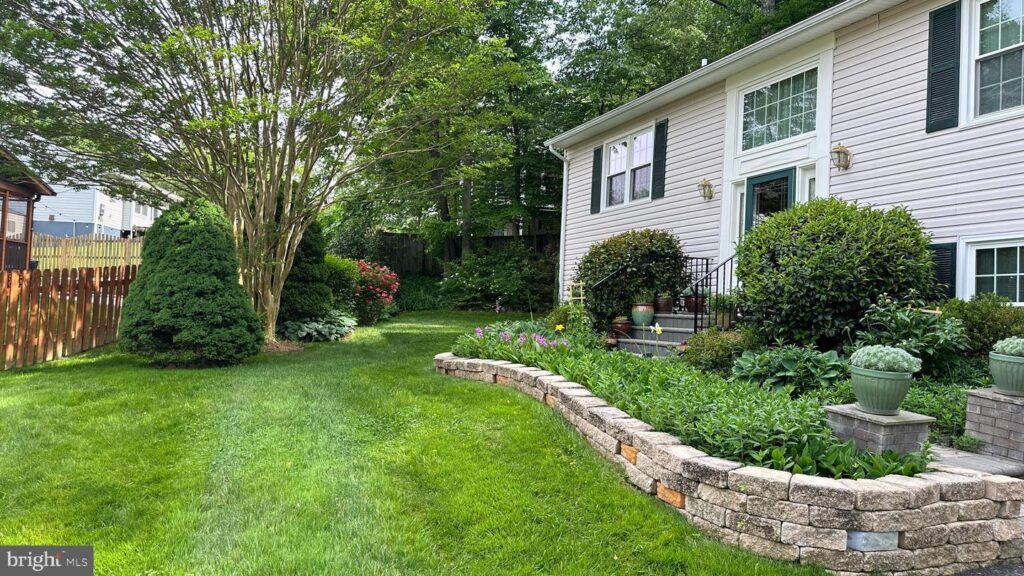
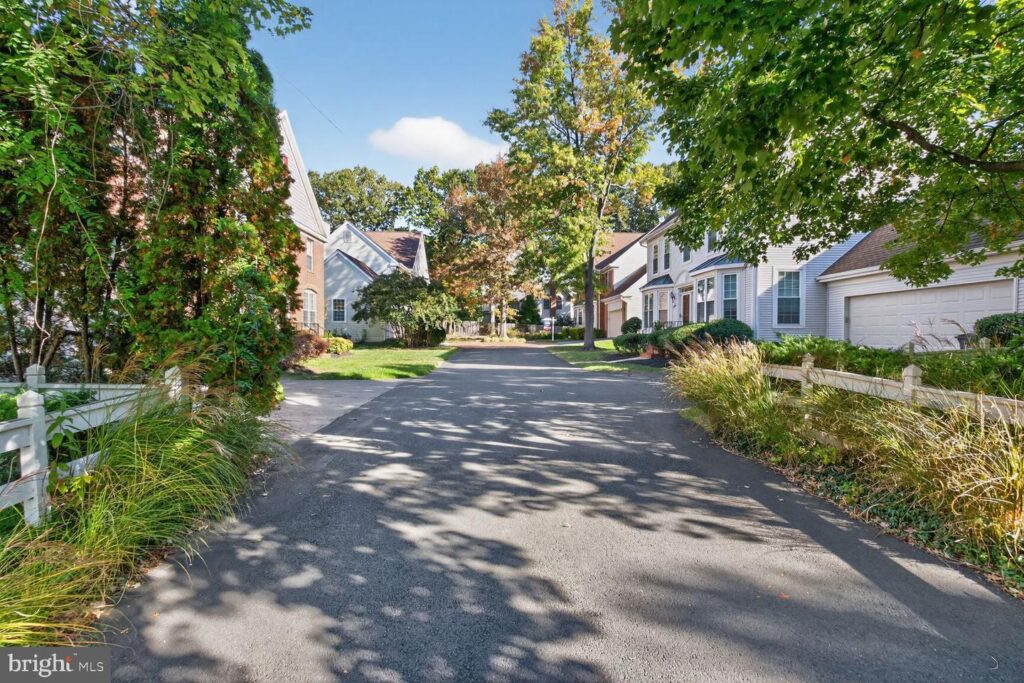
Detached homes in Fairfax County range from mid-century neighborhoods with mature trees to expanded renovations and newer construction pockets. Buyers often prioritize lot usability, storage, and long-term flexibility—especially when they want space for home offices, hobbies, or multi-generational living.
Why buyers choose townhomes in Fairfax
Many homes span multiple decades, so a systems-first evaluation matters: roof/HVAC age, electrical updates, windows, drainage/grading, and the permit story for additions, finished basements, decks, or structural changes. Street-by-street differences (traffic patterns, noise buffers, and yard usability) can also influence value.
Townhomes
Why buyers choose townhomes in Fairfax
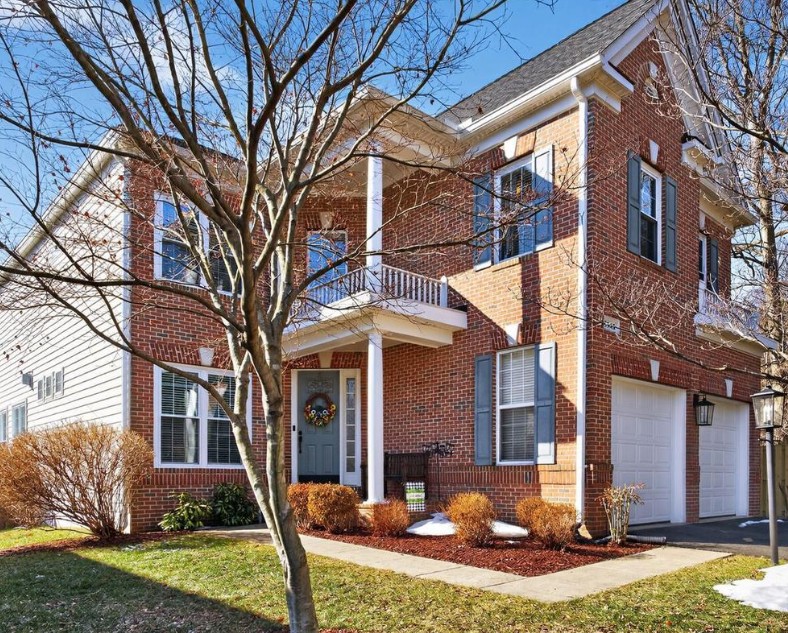
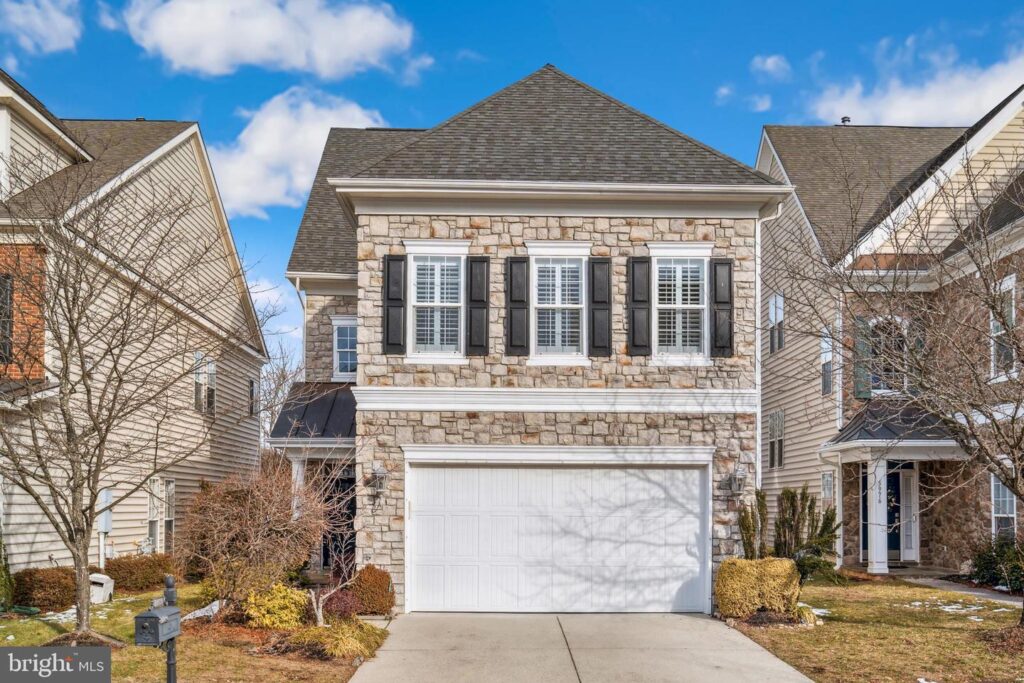
Townhomes can offer a strong middle ground between condos and detached homes: defined living space, multi-level separation, and often a more predictable maintenance profile. Fairfax townhome options range from established brick communities to newer garage townhomes near major corridors.
HOA + ownership structure considerations
Some townhomes are fee simple (you own the land and structure); others are condo-style townhomes (you own the interior and share common elements). HOA coverage, parking rights, reserve funding, and community rules can shift both monthly costs and resale—so comparing apples to apples is essential.
Condos
Condo options in Fairfax
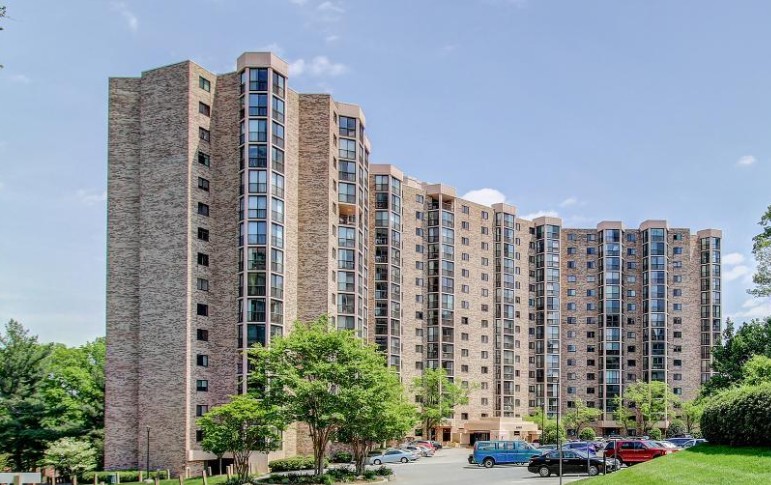
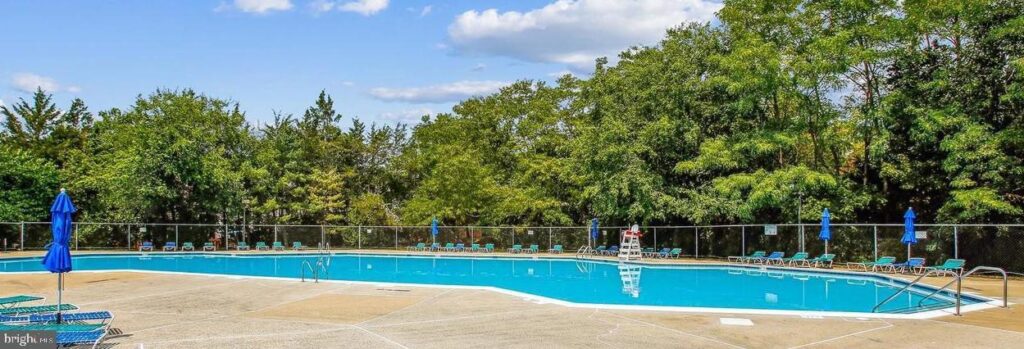
Fairfax condos include a broad range of community types—from garden-style living to mid-rise buildings in higher-density nodes. Many buyers choose condos for single-level living, lower-maintenance ownership, and access to amenities in select communities.
Fees, bylaws, reserves, and assessments
Condo ownership typically means you own the interior living space while the association owns and maintains common areas and building exteriors. Responsibilities can vary (some associations handle roofs/windows; some share responsibilities with restrictions). Comparing fees requires clarity on inclusions, reserve strength, and planned capital work.
Military Installations & Federal Installations
Fairfax County supports assignments across the National Capital Region and can be a practical home base for military households, DoD civilians, and contractors seeking commute flexibility.
Fort Belvoir:
Located in Fairfax County, Fort Belvoir is one of Northern Virginia’s major Army installations and a significant regional employment center. For military buyers, civilian employees, defense contractors, and support personnel, proximity to Fort Belvoir can be an important factor when comparing Fairfax-area neighborhoods. Depending on where a buyer chooses to live, Fairfax communities may offer access to Fort Belvoir through Route 1, Fairfax County Parkway, I-95, I-495, or other connecting corridors.
Because commute patterns can vary by gate, work schedule, and traffic conditions, buyers should look beyond mileage alone. A home that appears close on a map may still require careful route planning during peak hours. For military-connected households balancing duty schedules, school routines, childcare, and spouse employment, predictable access to Fort Belvoir can be a meaningful part of the home search
Marine Corps Base Quantico is located south of Fairfax and can be a practical commute from certain Fairfax-area corridors, especially for buyers who prioritize access to I-95, Route 1, Fairfax County Parkway, or other southbound commuter routes. While Quantico is not immediately next door to the City of Fairfax, some buyers consider Fairfax communities because they want a balance between military access, regional employment options, schools, shopping, parks, and Northern Virginia lifestyle amenities.
For buyers connected to Quantico, commute timing should be evaluated carefully. Rush-hour traffic, gate access, duty schedule, and distance to I-95 can make a significant difference in daily convenience. Fairfax may be especially appealing for households where one person commutes south toward Quantico while another works in Fairfax, Arlington, D.C., Tysons, a university setting, or a government/contractor role elsewhere in the region.
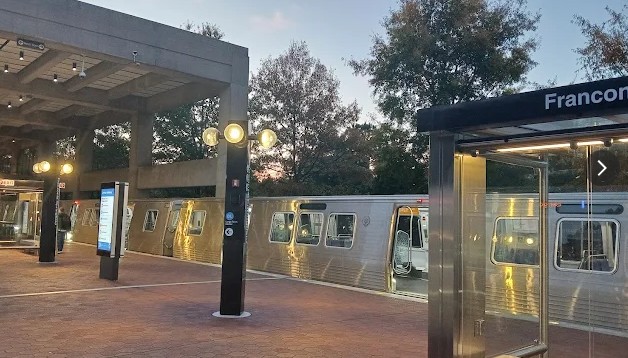
Although the Pentagon is located in Arlington County, not Fairfax County, many Fairfax communities remain within a commutable range depending on the neighborhood, route, work schedule, and access to transit or major corridors. Buyers commuting to The Pentagon may consider proximity to I-66, Route 50, Route 29, I-495, Metro access, or park-and-ride options when comparing homes.
Nearby Arlington-area military and government destinations, including Joint Base Myer-Henderson Hall, can also factor into the search for military-connected buyers. For households serving in or supporting the defense community, Fairfax can offer a central Northern Virginia location with access to multiple employment corridors rather than only one duty station. This can be especially important for families navigating PCS moves, dual-career schedules, hybrid work, deployments, or future reassignment possibilities.


Points of Interest and Lifestyle Anchors
Fairfax County offers a variety of lifestyles—town centers, cultural venues, and retail hubs that help homeowners build convenient routines.
- Tysons Corner Center
- Reston Town Center
- Mosaic District
- Fairfax Corner
- Steven F. Udvar-Hazy Center
- Wolf Trap National Park for the Performing Art
Parks, trails, and weekend-worthy outdoor space
Single-family buyers often value easy access to green space for dog walks, kid-friendly outings, and weekday decompression. Notable options include:
Parks, trails, and outdoor “third places”






Frequently Asked Questions
Which Fairfax corridors feel most different for buyers?
Fairfax is corridor-driven. I‑66 (Centreville/Chantilly), I‑95 (Springfield/Lorton), the Beltway (inside/outside), and the Dulles corridor (Tysons/Reston/Herndon) each create different commute patterns, pricing, and inventory.
What matters most when pricing a Fairfax single-family home?
Lot usability, school pyramid demand (verify), renovation quality and permits, basement functionality, and street-level factors (traffic/noise) often influence value more than county-wide averages.
How common are HOAs in Fairfax—and what do they usually control?
It varies by neighborhood. Some HOAs are light (common areas), while others regulate exterior changes, fencing, sheds, parking, and community standards. Always review rules, budgets, and reserves before you commit.
What should I know about basements in Fairfax homes?
Basements are common, but value depends on ceiling height, moisture/drainage history, egress, and how usable the layout is. Finished space is not equal across homes—function matters.
What condo fee and reserve issues should I watch for in Fairfax?
Confirm what fees include (utilities/insurance/amenities), review reserve funding, and ask about planned capital projects or recent special assessments. Low reserves can increase future cost risk.
How do I avoid overpaying in a competitive Fairfax market?
The goal is to avoid overpaying without missing the right home. In peak seasons and high-demand school pyramids (verify boundaries), limited inventory can push pricing upward—so the question becomes whether the price is supported by the most relevant comps and the home’s true condition. Use tight comparable sales, understand the neighborhood micro-market, and structure terms that reduce risk while staying competitive. A strong offer is often the clearest offer—not only the highest price.
What inspections are especially important in Fairfax?
Beyond standard items, buyers often focus on drainage/grading, older electrical panels, roof/HVAC age, window condition, and the permit story behind additions, finished basements, and major remodels.
What’s the best way to track listings without missing the right one?
Set alerts by corridor and must-haves (parking, basement, yard, HOA tolerance), then refine weekly based on what’s actually selling—not just what’s being listed.
How do school boundaries affect my search?
School pyramids can influence demand and pricing, but boundaries and programs can change. Verify directly with the school system before making decisions.
How do tours and representation requirements work?
Representation requirements and touring practices vary by state, property type, and brokerage policy. Representation agreements are required by law for buyer and tenant representation—see the disclosure below.
Ready to Buy/Sale/Lease?
Let's Begin Your Home Journey!
If you’re weighing neighborhoods, pricing, or the right offer approach, I can help you interpret the local micro-market with current data and practical guidance. In fast-moving DMV areas, pricing can shift quickly, so the goal is not just to chase a price point — it is to understand value, timing, condition, competition, and long-term fit. Together, we can focus on finding the right home for your timeline, budget, and lifestyle. Reach out to start your Fairfax County home journey.
Get instant new-listing alerts or request a private consultation for informed local guidance.
Please note: Representation agreements are required by law for buyer and tenant representation before touring properties, including both sales and rental homes.