Fairfax County

Detached Homes & Neighborhood Guide

Why Buyers Move Here

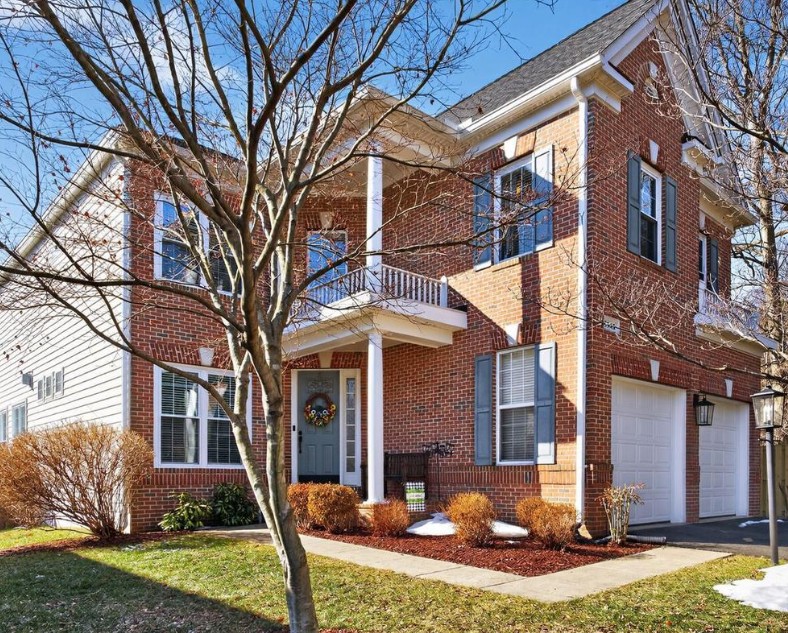
Fairfax County offers one of Northern Virginia’s most versatile single-family home markets—ranging from established neighborhoods with mature trees to newer builds near major commuter corridors. Buyers often choose Fairfax County single-family homes for sale for the balance of space, schools, parks, and access to employment hubs, while still having distinct “micro-markets” that feel very different from one another.

A detached home search here is rarely about “Fairfax County” as a single experience. The right fit usually comes down to your daily rhythm: commute routes, school preferences, yard and privacy needs, and how close you want to be to shopping, trails, and community amenities.

House Market Overview

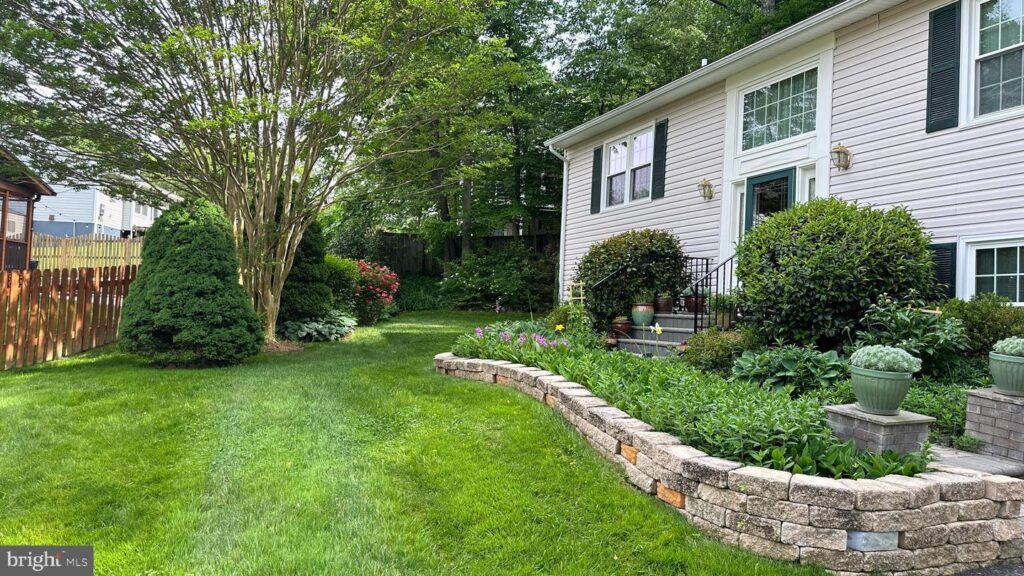
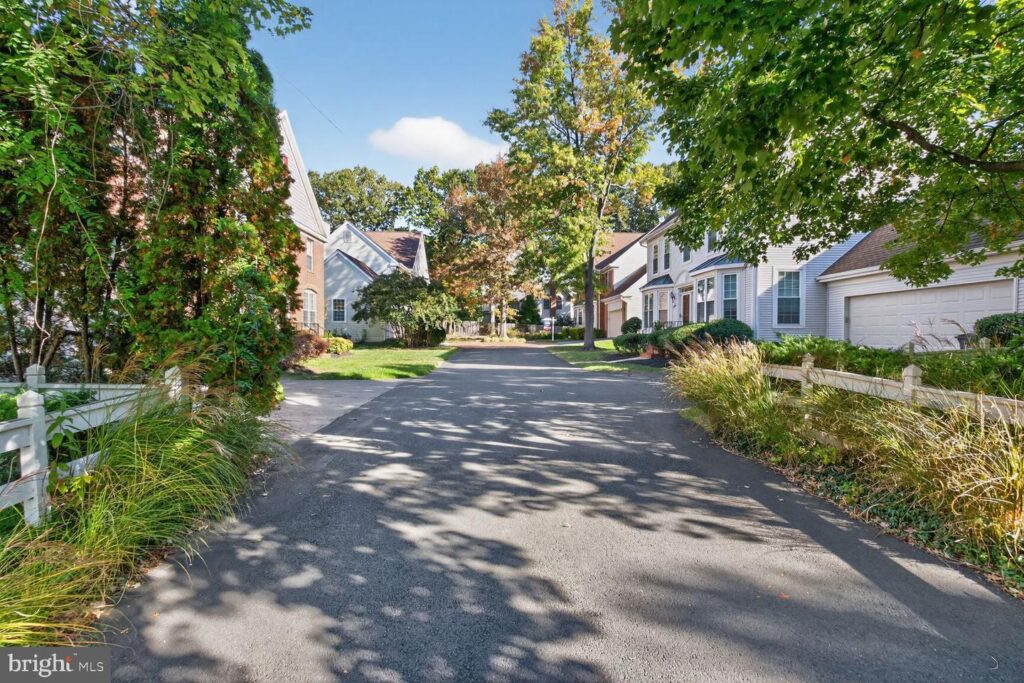
Fairfax County’s detached-home inventory includes a wide spread of styles, lot sizes, and renovation levels. You’ll see everything from mid-century split-levels and Colonials to expanded renovations and newer construction pockets.

What influences single-family pricing in Fairfax County?

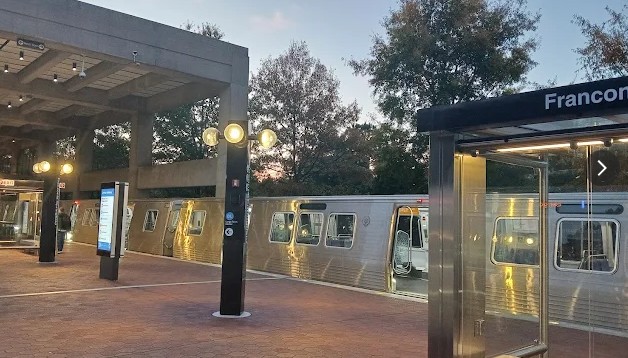
  • Location + commute patterns: Proximity to Tysons, Reston, major routes, and transit options can affect demand.

  • School boundaries and neighborhood identity: Buyer interest often concentrates in specific school pyramids and well-known communities.

  • Lot usability: Flat yards, drainage, privacy, and outdoor functionality can be value drivers.

  • Renovation story: Permitted additions, updated systems, and quality workmanship often separate “pretty” from “proven.”

  • Walkability and convenience: Some areas trade larger lots for being closer to dining, parks, or retail.

Variety of single-family homes you’ll see

  • Colonials, split-levels, ramblers, capes, and contemporaries

  • Renovated homes with additions (expanded kitchens, primary suites, finished basements)

  • Newer construction pockets (varies by corridor and neighborhood)

  • Larger-lot communities where privacy and outdoor space are key priorities

Market temp: As a buyer, what should you expect?

In Fairfax, the most competitive properties tend to be well-located, well-presented, and priced in line with recent comparable sales. Your advantage often comes from preparation: clear financing, a strong neighborhood shortlist, and an offer strategy aligned with inspection and appraisal realities.

Buying a House in Fairfax County: Practical Guidance

A detached home purchase is where “details matter” most—especially when homes span different eras, conditions, and renovation histories.

Choose the right micro-market before you chase listings

Fairfax County can feel completely different depending on the routes you rely on (and the times you travel). Narrowing by commute and lifestyle first keeps your search focused and helps you act quickly when the right home appears.

Evaluate condition with a systems-first mindset

Many Fairfax neighborhoods include homes built across multiple decades. It’s smart to pay special attention to:

  • roof age, HVAC, electrical capacity, and window quality

  • grading/drainage and basement moisture history

  • condition of decks, retaining walls, and exterior woodwork

  • the “permit story” for additions and major remodels

Understand HOA presence and what it actually controls

Some single-family communities have HOAs; others don’t. Where HOAs exist, rules may affect exterior changes, fencing, sheds, and even parking practices. Always review documents early so there are no surprises after you’re emotionally invested.

Work with a REALTOR® who can interpret Fairfax micro-markets

For houses, it’s not enough to compare a handful of recent sales. Fairfax pricing can hinge on lot usability, school pyramid demand, renovation quality, and hyper-local street patterns. I help buyers connect the MLS data to real-world value—so your offer is confident, strategic, and risk-aware.

Fairfax County: Military Bases

& Federal Installations

Fairfax County’s location supports assignments across the National Capital Region, which can be especially helpful for military households, DoD civilians, and contractors who want flexibility between duty stations.

Fort Belvoir

Located in Fairfax County, Fort Belvoir is a major Army installation and a regional employment hub. Many buyers consider Fairfax neighborhoods that offer predictable routes to base access points.

Marine Corps Base Quantico (Nearby)

Marine Corps Base Quantico is south of Fairfax and can be a practical drive for certain Fairfax corridors. Buyers often weigh commute timing and route reliability when choosing neighborhoods.

Pentagon and Arlington Duty Stations (Nearby)

While not within Fairfax County, major duty stations in Arlington—including The Pentagon and Joint Base Myer-Henderson Hall—are within a commutable range of many Fairfax communities, depending on the corridor and schedule.

Neighborhood Highlights

Fairfax County’s detached-home appeal often comes down to everyday livability: outdoor space, parks, schools, and the ability to build routines that don’t require constant driving.

Parks, trails, and weekend-worthy outdoor space

Parks, trails, and weekend-worthy outdoor space

Single-family buyers often value easy access to green space for dog walks, kid-friendly outings, and weekday decompression. Notable options include:

Parks, trails, and outdoor “third places”

Lifestyle anchors that make errands and evenings easier

Depending on the corridor, many homeowners appreciate proximity to:

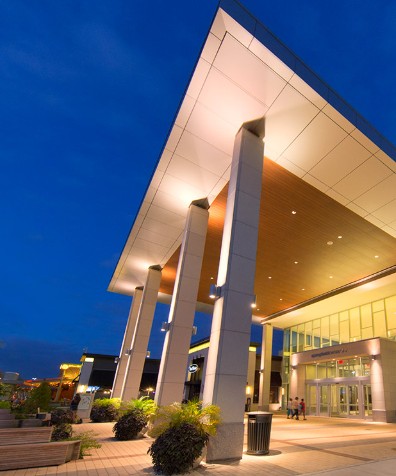
  • Tysons Corner Center
  • Reston Town Center
  • Wolf Trap National Park for the Performing Arts

School pyramid preferences can influence demand and pricing. Buyers should verify current boundaries and program details directly with the school system, as boundaries and programs can change.

Burke Lake

Everyday convenience that supports LIFE

& balances busy schedules

House buyers often prioritize:

  • schools*
  • grocery/errands within a short drive
  • predictable access to commuter routes
  • nearby gyms, libraries, and community centers

*(As always, buyers are encouraged to verify any school boundary or program details directly with the school system, as boundaries and programs can change.)

Notable Points of Interet

Living in Fairfax County also places homeowners near nationally recognized destinations and everyday lifestyle anchors, including:

  • Mount Vernon
  • Steven F. Udvar-Hazy Center (Smithsonian aviation/space)
  • Mosaic District (Merrifield) (dining + shopping + entertainment)
  • Fairfax Corner (shops, restaurants, services)
  • Potomac River access points along the county’s northern edge

These landmarks enhance daily convenience, recreation, and long-term resale appeal without sacrificing neighborhood character.

Frequently Asked Questions

What’s the current average price range for single-family homes in Fairfax County?

Pricing varies widely by neighborhood, school pyramid, lot size, and renovation level. The most accurate approach is to use a current MLS snapshot, filtered to your target areas and must-have features.

What age and condition should I expect?

Many Fairfax homes were built from the 1950s through the 1980s, with pockets of new construction throughout. Expect a mix of turnkey renovations, partial updates, and homes needing systems upgrades or layout modernization.

Do houses in Fairfax County commonly have HOAs?

Some do, especially in planned communities. HOA rules may affect exterior changes, fencing, sheds, parking, and community standards. Always review documents and fee schedules early in the process.

What inspections matter most for Fairfax single-family homes?

Beyond general inspections, buyers often pay close attention to roof age, HVAC, electrical, drainage/grading, basement moisture, and the quality and permitting of additions or major remodels.

Are basements common—and do they change value?

Yes. Many Fairfax homes have basements, sometimes finished. Value depends on ceiling height, moisture history, egress, and the layout’s functionality for daily use.

What should I know about expansions or renovations after purchase?

Permits are typically required for major work. Lot coverage, setbacks, and drainage rules may affect expansion plans. If you’re buying for future improvements, confirm feasibility before you commit.

What upcoming development trends could affect buyers?

Transit and corridor growth (especially around employment hubs) can influence traffic patterns, redevelopment, and long-term neighborhood character. Ask about nearby planned projects and roadwork when narrowing down areas.

Let's begin Your Home Journey!

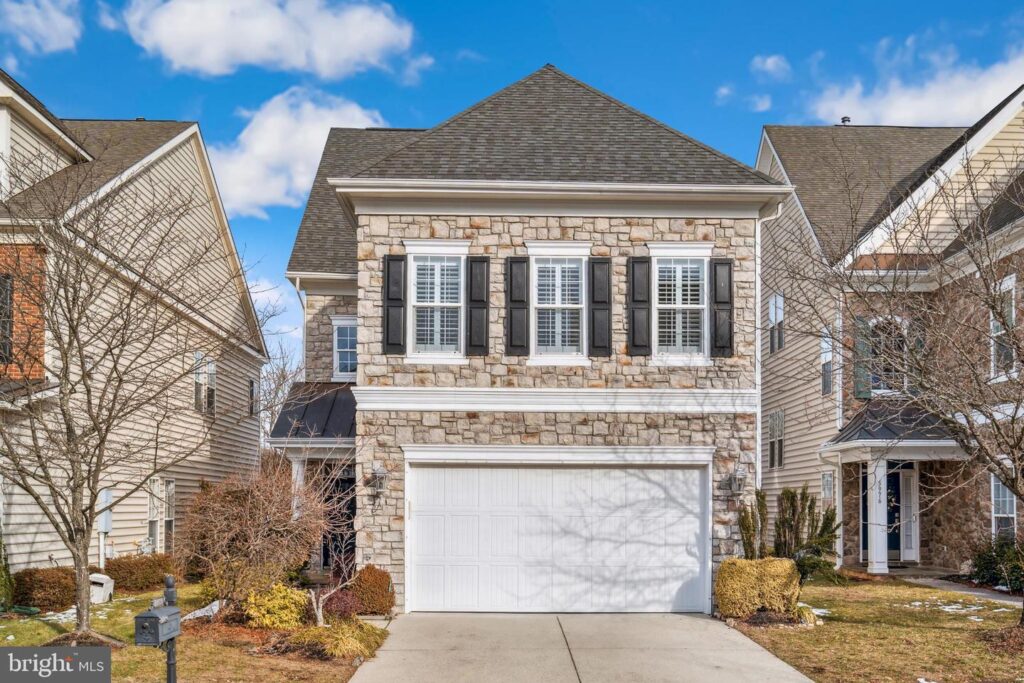
Get Instant New-Listing Alerts for Fairfax County houses, or schedule a Private Tour / Consult. Buyer representation agreement required before touring properties (sales or rentals) under Virginia law.

If you want clarity on neighborhoods, pricing strategy, inspection priorities, and offer structure, I’ll help you narrow the right micro-markets and move with confidence when the right home becomes available. Reach out to begin your Fairfax County home journey.

Want to explore Townhouses or other property styles in Fairfax County, and the surrounding areas in VA, and MD?