Prince George's County
Houses, Townhomes & Condos
Living in Prince George's County
What Homebuyers Should Know
Prince George’s County offers a wide range of housing options, community settings, and commute patterns—from established neighborhoods and close-in suburbs to larger-lot pockets and growing mixed-use corridors. Buyers often choose Prince George’s County for the balance of space, access, and value, especially when they want to stay connected to Washington, D.C., Northern Virginia, and major Maryland employment hubs.
Because Prince George’s County is geographically broad, your daily routes matter. Metro access, Beltway connections, Route 50, and corridor-specific traffic patterns can shape both home search strategy and day-to-day livability. Defining your commute reality, must-have home features, and preferred neighborhood rhythm early can help narrow the right areas faster.
Single-Family Homes for Sale
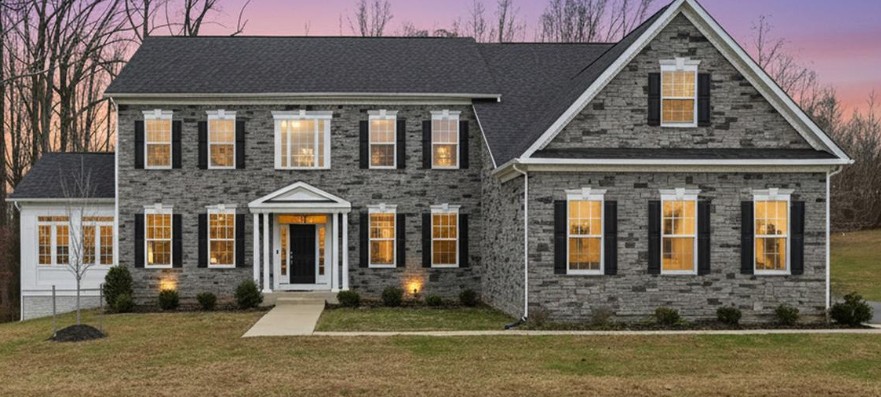
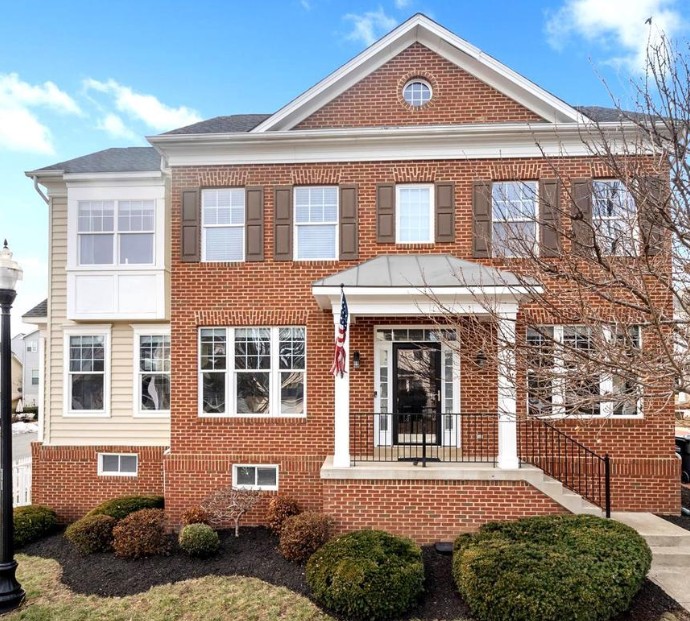
What SINGLE-FAMILY HOUSE living looks like here
Detached homes in Prince George’s County span a broad range—from established suburban neighborhoods to newer construction pockets and communities with more yard space. Buyers often prioritize garages, usable outdoor areas, and flexible floor plans, especially when they want room to grow without giving up access to major routes and shopping.
What to watch before you buy
Condition and micro-location still drive value. Pay close attention to roof/HVAC age, electrical updates, windows, drainage/grading, and the permit story for additions, decks, finished basements, or major remodels. In older neighborhoods, renovation quality and deferred maintenance can vary widely from block to block.
Townhouses for Sale
Why buyers choose townhomes in Arlington
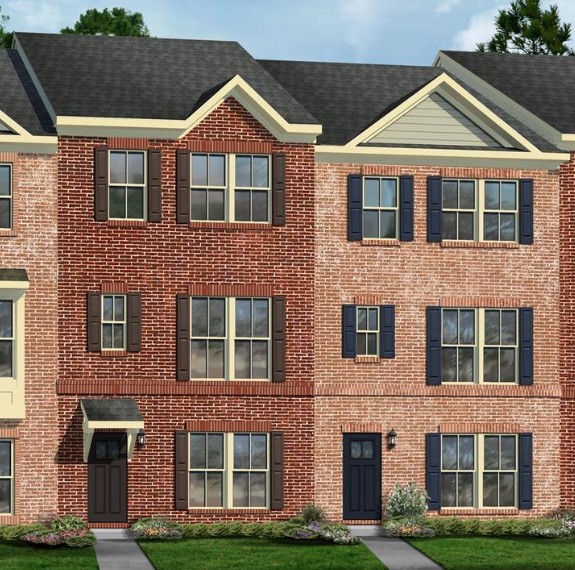
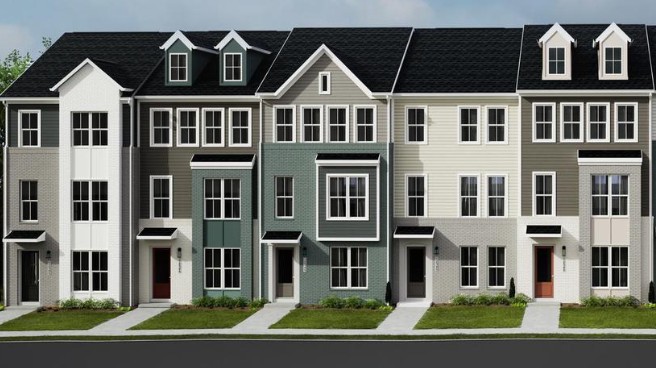
Townhomes can be a strong middle-ground option in Prince George’s County—offering multi-level living, manageable outdoor space, and a maintenance profile that may feel more predictable than detached ownership. Many buyers choose townhomes for corridor convenience, functional layouts, and access to newer community amenities in select areas.
HOA + ownership structure considerations
Townhomes may be fee simple (you own the land) or condo-style (you own the interior and share common elements). HOA coverage, parking rights, reserve funding, and community rules can shift true monthly cost and resale value—so comparing communities requires careful document review.
Condos for Sale
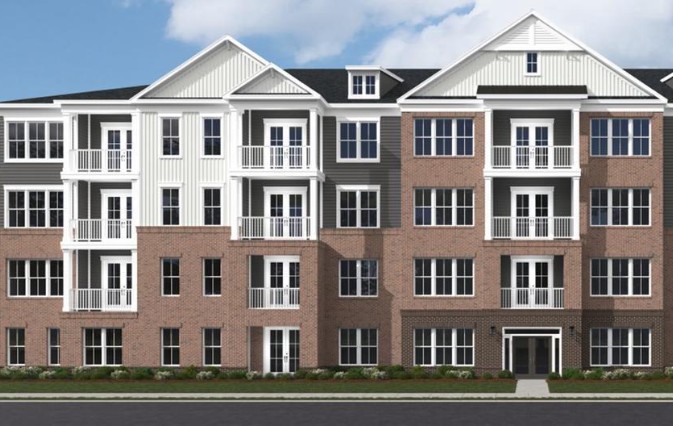
Prince George’s County condos can support a lower-maintenance lifestyle, often with strong access to Metro, commuter routes, and everyday services. Inventory may include garden-style communities, mid-rise buildings, and attached condo-style options depending on the corridor.
Fees, bylaws, reserves, and assessments
Condo ownership typically means you own the interior living space while the association owns and maintains common areas and building exteriors. Responsibilities can vary by community, so comparing fees requires clarity on inclusions, reserve strength, and planned capital work. Buyers should also review any restrictions related to rentals, renovations, pets, and move-in procedures.
Military Bases and Federal Installations Near Arlington County
Prince George’s County is closely connected to government, federal, healthcare, education, and contractor employment corridors, which can be an important factor for buyers prioritizing commute efficiency and long-term demand.
Points of Interest & Lifestyle Anchors
Prince George’s County offers a mix of cultural venues, retail hubs, and destination areas that support both everyday routines and weekend plans.
Walkability + Metro access
- National Harbor
- MGM National Harbor
- The Mall at Prince George’s
- Greenbelt Metro
Parks, trails, and outdoor “third places”
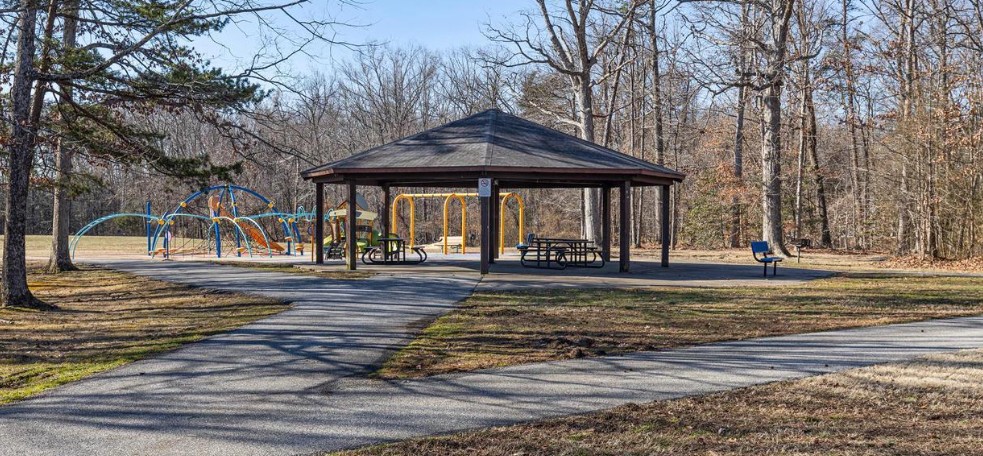
From riverfront access to large park systems and trail networks, Prince George’s County offers outdoor options that support both active lifestyles and everyday recreation.
Everyday convenience that supports LIFE
& balances busy schedules
House buyers often prioritize:
- schools*
- grocery/errands within a short drive
- predictable access to commuter routes
- nearby gyms, libraries, and community centers
*(As always, buyers are encouraged to verify any school boundary or program details directly with the school system, as boundaries and programs can change.)
Notable Points of Interet
Frequently Asked Questions
Which Prince George’s County areas feel most different for buyers?
Northwest areas closer to D.C. and Metro can feel more urban-access focused, Bowie and Upper Marlboro often offer more suburban neighborhood patterns, and southern corridors near National Harbor or Fort Washington bring a different mix of access, price points, and lifestyle.
What drives value most for single-family homes in Prince George’s County?
Micro-location, commute access, lot usability, condition and updates, and neighborhood identity often matter more than county-wide averages. Comparable sales should be matched tightly to the same submarket and housing style.
How common are HOAs—and what do they typically control?
HOAs are common in many planned communities, especially for townhomes. They may regulate exterior changes, fencing, parking, and community standards, and they may maintain common areas or amenities. Review rules, budgets, reserves, and any pending projects.
What should I know about Metro access when narrowing neighborhoods?
Metro can reshape the search map significantly. For some buyers, station proximity outweighs lot size or square footage. It helps to test both driving routes and transit patterns during the times you’ll actually commute.
What condo fee and reserve issues should I watch for?
Confirm what fees include, review reserve funding, and ask about planned capital work or special assessments. Low reserves can increase future cost risk and may affect financing options in some associations.
How do I stay competitive without taking on unnecessary risk?
In tighter inventory pockets, focus on tight comparable sales, a clear understanding of condition, and terms aligned with the seller’s priorities. The strongest offers are often the clearest offers—competitive while keeping your risk visible.
What inspections or due diligence items deserve extra attention?
Beyond standard inspections, pay attention to roof/HVAC age, drainage/grading, basement moisture where applicable, window condition, and the permit history for additions or major renovations.
How do tours and representation requirements work?
Representation agreements are required by law for buyer and tenant representation—see the disclosure below.

Ready to Buy/ Sale/Lease?
Let's Begin Your Home Journey!
If you’re weighing neighborhoods, pricing, or the right offer approach, I can help you interpret the micro‑market—so you don’t just find a house, you find the right house for your timeline and lifestyle. Reach out to start your Arlington County home journey.
Get Instant New-Listing Alerts for Arlington houses, or request a Private Tour Consult for informed local guidance. (Virginia law requires a signed buyer representation agreement prior to touring properties, including sales and rentals.)
Disclosure & Disclaimer
Listing Data Notice: Property information is deemed reliable but not guaranteed and is subject to change, errors, omissions, prior sale, and withdrawal without notice.
MLS/IDX Note: Listings displayed via IDX may not include all available properties and may be delayed by the MLS.
Fair Housing: We support the Fair Housing Act and do not discriminate on the basis of protected characteristics.
School Information: School boundaries and programs can change. Buyers should verify school assignments directly with the applicable school system.
Representation Requirement (VA + MD): Real estate representation requirements vary by state, property type, and brokerage policy. A signed buyer representation agreement may be required prior to touring or receiving certain services, including for sales and rentals, in accordance with applicable law and brokerage policy.
Not Legal Advice: This page is for informational purposes only and is not legal or tax advice. Consult appropriate professionals for guidance.